Planning
Wedding venue trends 2026 - and what the listings don't say
Ask anyone who’s been to a few weddings lately: the hotel ballroom with a function suite and swirly carpet is quietly disappearing. What’s replacing it isn’t one look but one instinct - couples want somewhere that feels chosen: distinctive, personal, and honest about what it is.
The short version: the venues couples are booking now are elegant barns and countryside estates, exclusive-use country houses, vineyards, glasshouses and botanical gardens, converted industrial spaces, restaurants and private dining rooms, and historic buildings. Character over capacity, in every case.
The trend pieces will show you the pretty pictures. This guide adds the part the listings leave out: what each venue type is actually like to book, budget and host in - because the venue you fall in love with on a sunny site visit is also the venue your seventy-year-old aunt has to find, park at, and dance in.
One force sits underneath every trend on this list: weddings are getting smaller. Axios reports an average US guest count of 131 in 2024, down from 184 in 2006, with fifty-guests-or-fewer weddings nearly doubling their share since 2013. Smaller lists unlock venues a ballroom crowd never could - which is exactly why the interesting ones are winning.
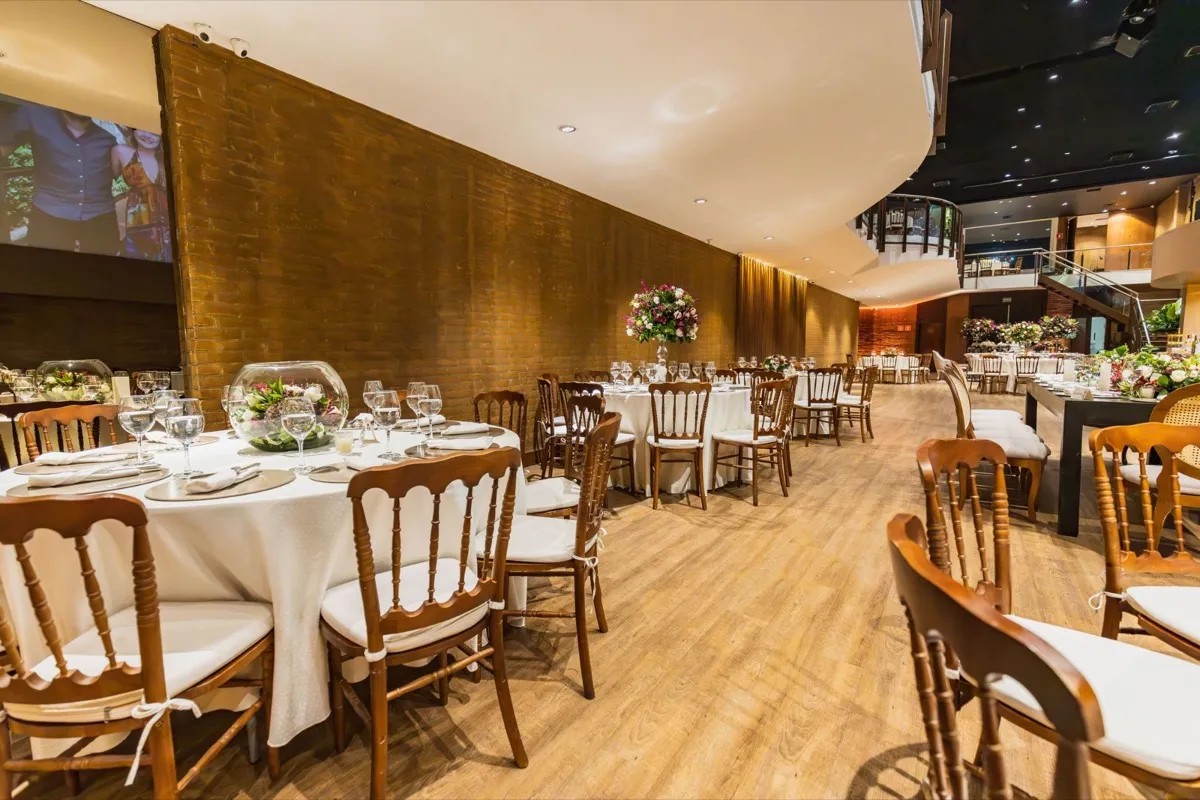
The elegant barn - rustic grows up

Barns and farm estates are still the volume trend, but the look has matured: less hay-bale-and-bunting, more restored beams, long candlelit tables and sophisticated florals. Countryside, but with polish.
The fine print: many barns are dry hire - the fee buys the building, tables and chairs, and everything else arrives on a van: catering, bar, lighting, sometimes even loos and power. The headline price can be the cheapest number on your shortlist and the total can still land mid-pack. Ask for a list of what’s included, then price the van-loads before you fall in love. And if live music matters to you, ask about sound limiters - converted rural buildings often have them, and a strict one can rule out a live drum kit entirely.
The takeover weekend - country houses and private estates
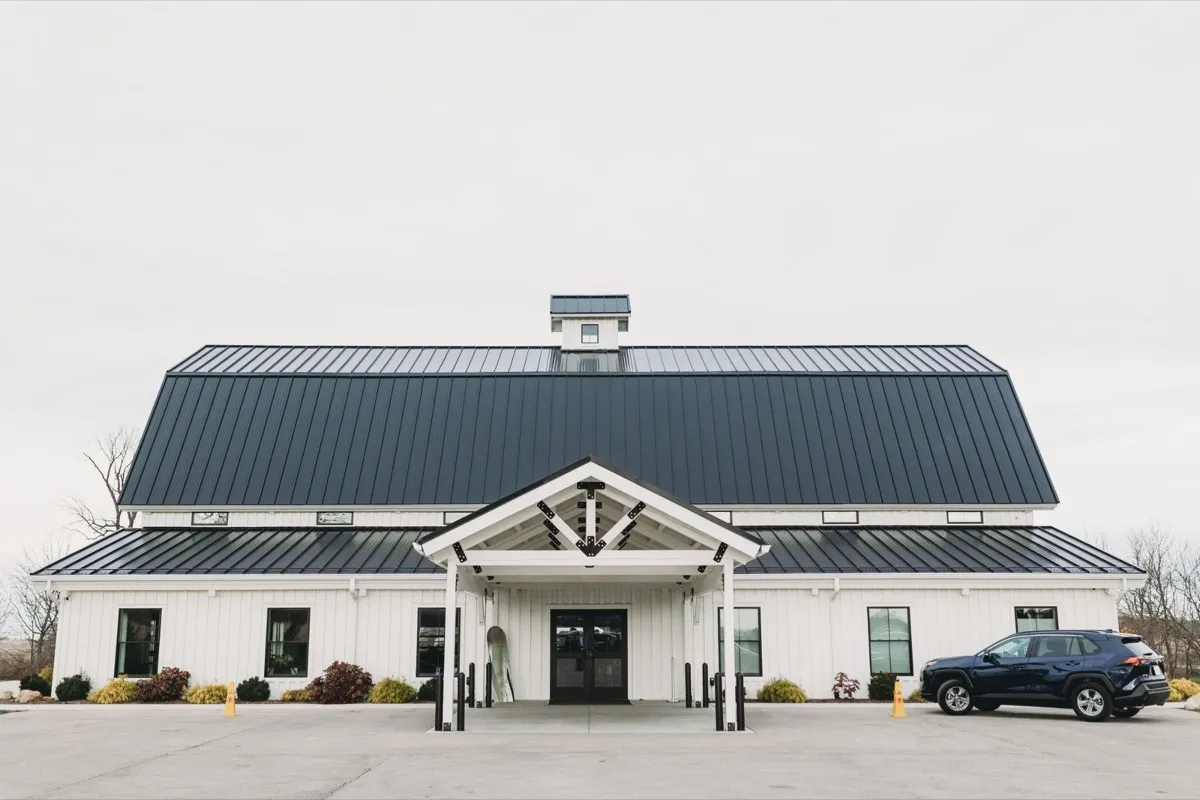
The fastest-rising ask isn’t a venue type at all - it’s exclusivity. A country house or private estate, taken over from Friday to Sunday, turns a wedding into a house party: welcome dinner, wedding day, recovery brunch, and no strangers in the bar.
The fine print: the estate sleeps twelve and you’ve invited a hundred and twenty. Someone has to decide who gets the rooms - and everyone else needs nearby accommodation and a way home at midnight from a house that taxis can’t find. The takeover weekend is glorious; it’s also three days of guest logistics rather than one.
Vineyards - the destination wedding that skips the airport
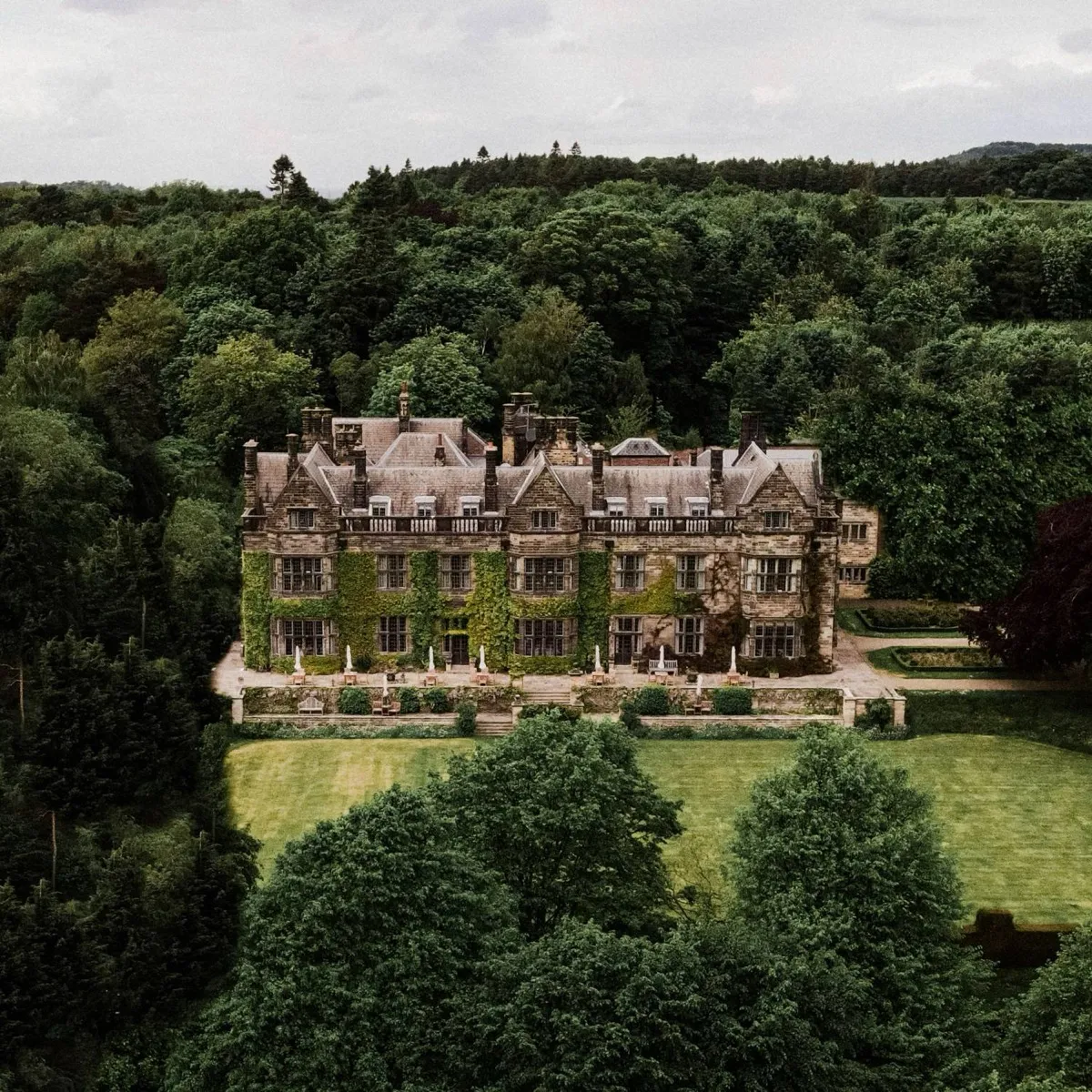
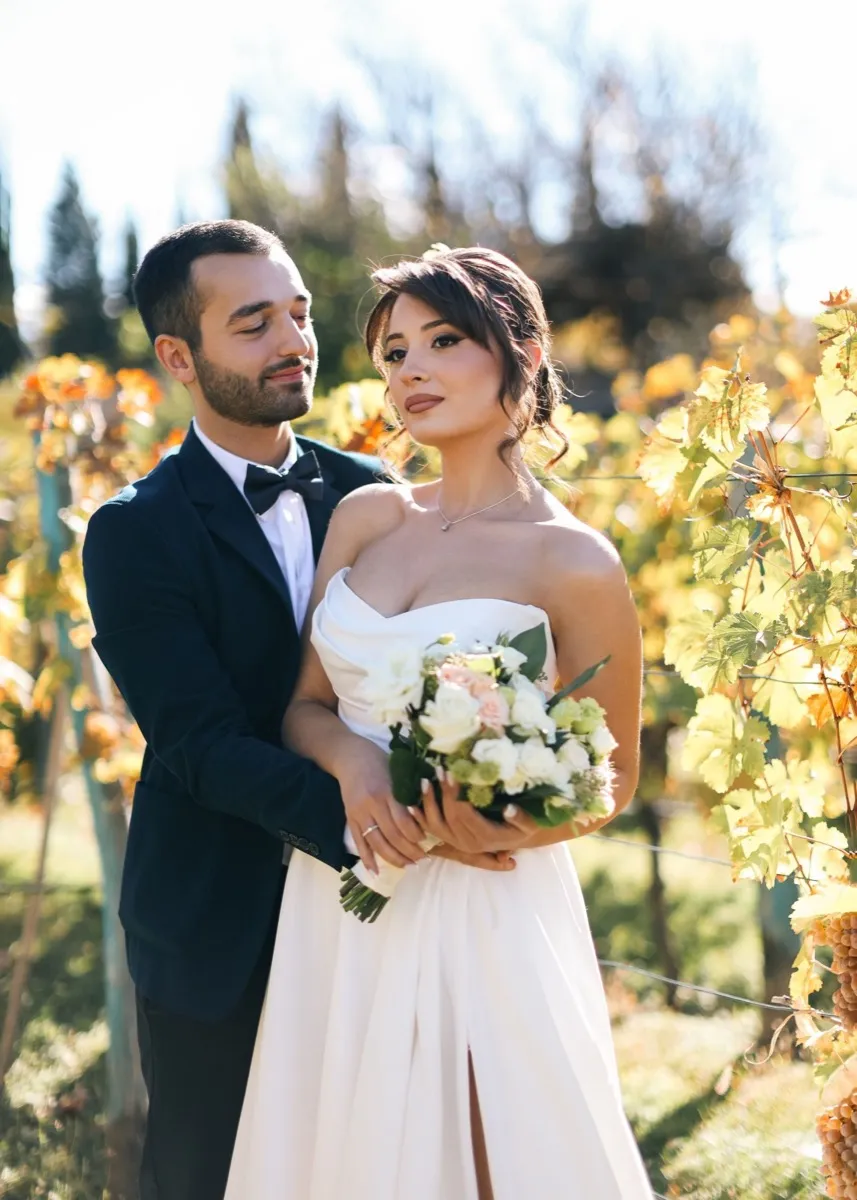
Vines, golden hour, food and wine as the point rather than an afterthought: vineyards deliver the destination-wedding feeling without asking your guests for a passport.
The fine print: vineyards are working farms. Harvest season - which is also peak wedding season - can mean machinery at 7am and areas off limits. Ceremonies happen on slopes (tell guests about the grass before they choose heels), and rural taxis at midnight are a genuine planning item, not a detail.
Glasshouses, orangeries and botanical gardens
The aesthetic of the moment: glass, light and living greenery. A glasshouse gives you the garden wedding that can’t be rained off, and the setting does so much visual work that the flower budget can relax.
The fine print: a glasshouse is, structurally, a greenhouse. July afternoons inside one can be fierce and January evenings cold - ask what heating and shading actually exist, not what the photos imply. Botanical venues often share their gardens with the visiting public until closing time, which is worth knowing before you plan a 3pm ceremony beside the season’s most popular borders.
Industrial spaces - the blank slate
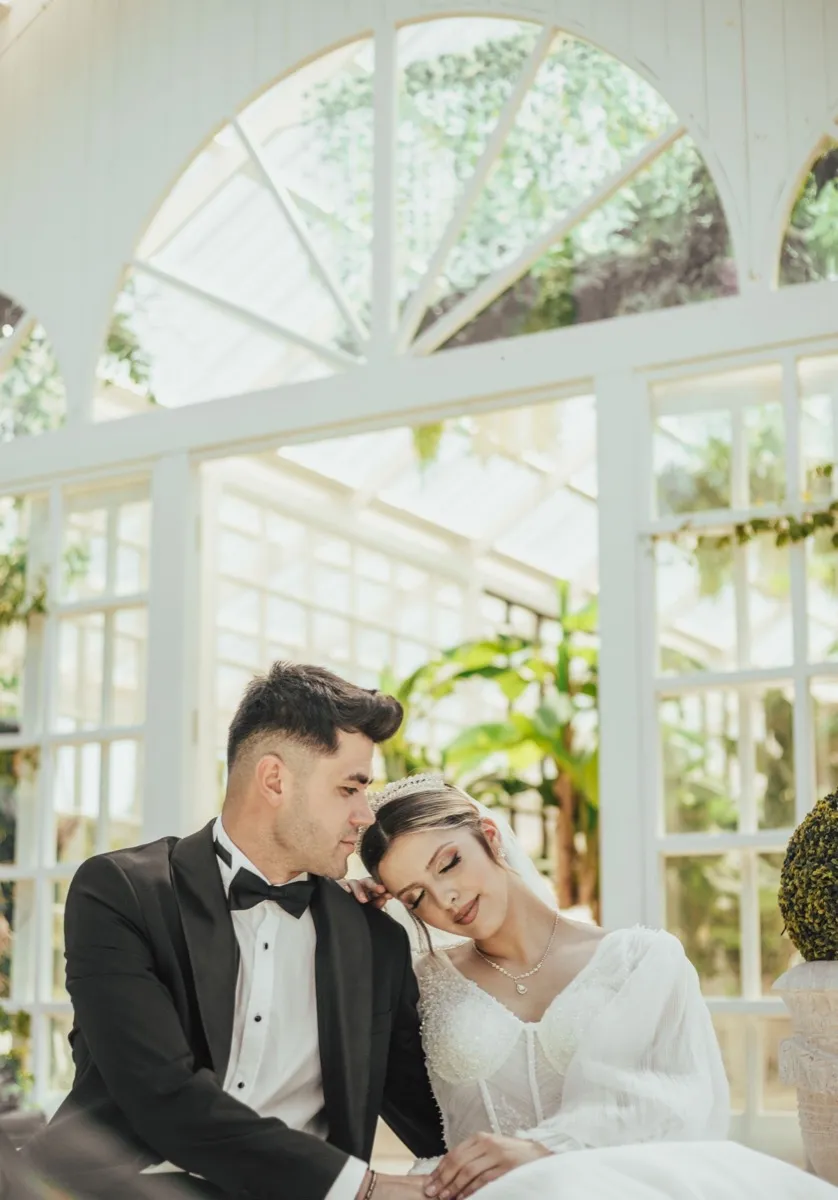
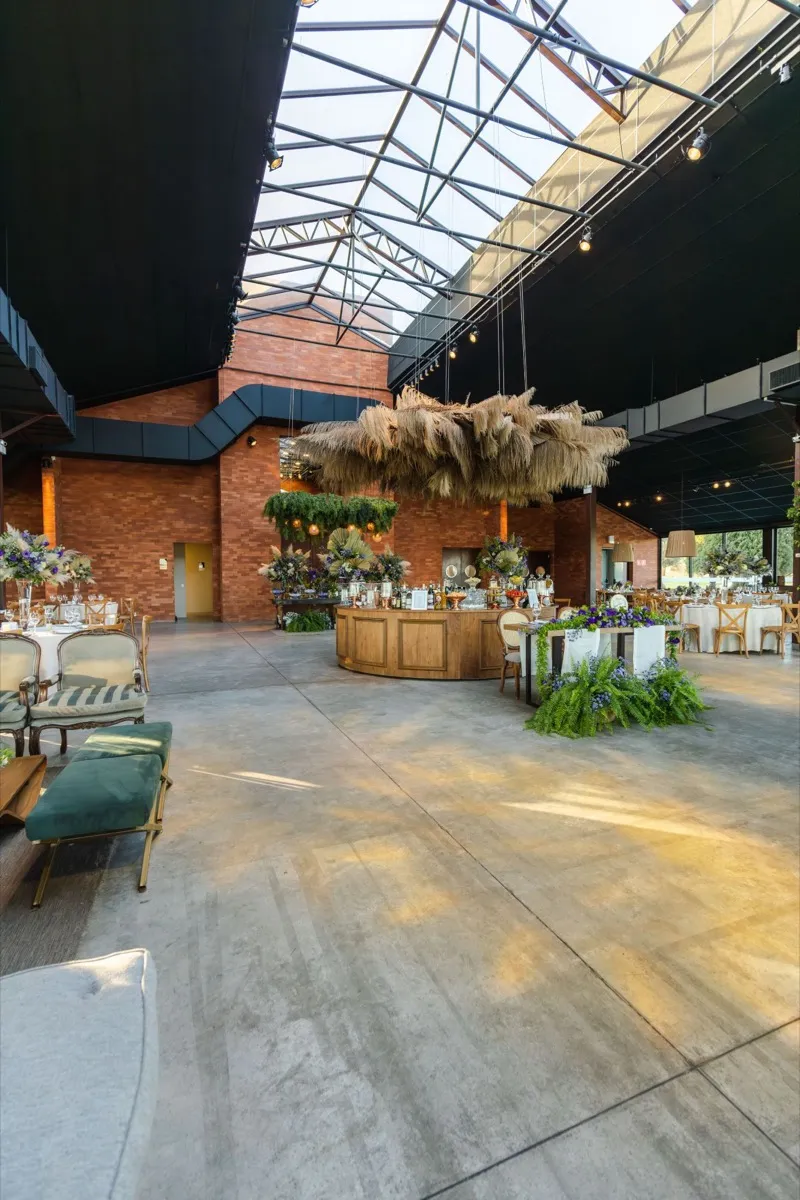
Warehouses, factories and converted buildings offer what traditional venues can’t: neutrality. Exposed brick, height, and no swirly carpet to design around - a blank slate for couples who’d rather build a look than inherit one.
The fine print: a blank slate means you’re buying everything - furniture, lighting, sound treatment, sometimes a kitchen for the caterers. Budget accordingly and the result is spectacular; assume the hire fee is the cost and it bites. Two practical checks: bare brick and concrete are loud with 150 people in them, and older conversions don’t always have anywhere comfortable for older guests to escape the volume.
Restaurants and private dining rooms - the micro-wedding winner
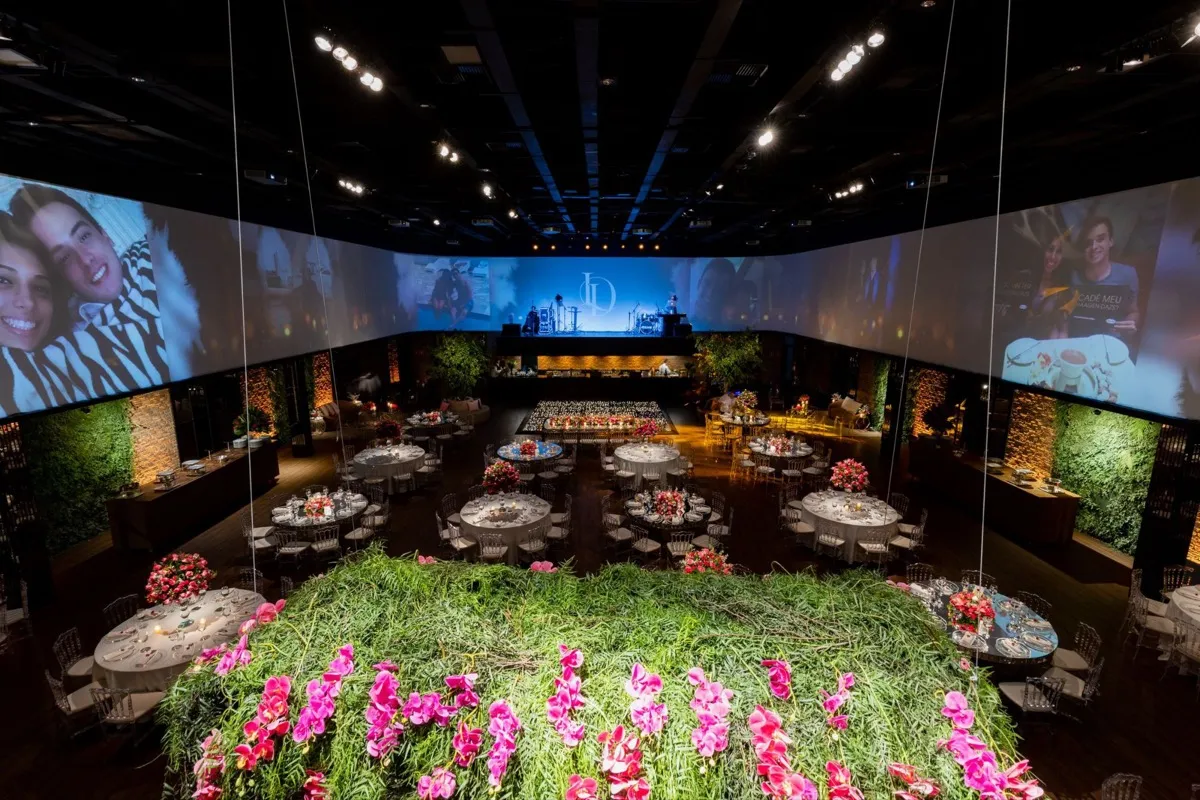
As guest lists shrink, the restaurant wedding has stopped being an alternative and become a movement. The logic is hard to argue with: exceptional food, a room that already looks finished, and staff who host every single night - no rentals, no van-loads, no committee.
The fine print: capacity is a hard ceiling, minimum spends replace hire fees, and not every dining room can give you a dance floor or a late licence. If the dancing matters, ask; if it doesn’t, this might be the least stressful venue decision available. (It also pairs honestly with a smaller list - and saying no to plus ones is its own skill.)
History and the genuinely unconventional
Castles, manor houses, museums, galleries, theatres, breweries, rooftops: venues with a story arrive with a sense of occasion built in, and what would have read as quirky a decade ago is now simply a choice.
The fine print: character comes with custodians. Heritage and listed buildings mean conservation rules - naked flames, confetti and fixings are commonly restricted - plus early curfews and firm sound limits. And in England and Wales, a legal ceremony needs a licensed venue: plenty of distinctive spaces aren’t, so many couples do the legal part quietly beforehand and hold the ceremony they actually want wherever they want it. Decide which camp you’re in before you book, not after.
Before you book anything: the six questions
- What exactly does the fee include? Dry hire vs all-in changes the real price more than the venue type does. (Our budget calculator helps you see what the rest of the budget can absorb.)
- Is there a sound limiter, and at what level? Below roughly 90dB, live drums are effectively out - ask your band before you sign.
- Is it licensed for a legal ceremony - or are you doing the legals separately?
- What’s the wet-weather plan - and would you actually be happy with it, not merely resigned to it?
- What’s the curfew, and how do guests get home? Rural venues and city venues fail this question in opposite ways.
- Who else is on site that day - other weddings, the visiting public, a working harvest?
The quiet cost of character
Here’s the pattern across every trend above: the more distinctive the venue, the more questions your guests will have. A hotel ballroom answers itself - everyone knows what a hotel is. A vineyard three miles past phone signal, a warehouse with an unmarked door, an estate with four accommodation options: each one is wonderful, and each one generates a hundred variations of where do I park, what do I wear, how do I get back. Choose the characterful venue - genuinely, choose it - and then plan for the asking, because the questions never go through the invitation.
The venue sets the scene. The answers are what get everyone there to see it.
Quick answers
What wedding venue types are trending?
The move is away from hotel ballrooms towards venues with character: elegant barns and countryside estates, glasshouses and botanical gardens, vineyards, restaurants and private dining rooms, converted industrial spaces, and historic buildings. Exclusive-use properties that host a whole wedding weekend are especially in demand.
Are barn weddings still popular?
Yes - but the look has matured from hay bales and bunting to elegant countryside: restored barns, long tables, candles and sophisticated florals. The thing to check is the maths: many barns are dry hire, so the attractive hire fee buys the building, and catering, bar, furniture and lighting all arrive separately.
What is the cheapest type of wedding venue?
No venue type is inherently cheap - guest count drives cost more than category, since food and drink are priced per head. A restaurant wedding with forty guests usually costs far less than a barn with a hundred and fifty, but that's the list doing the saving. Blank-slate venues with low hire fees often end up mid-pack once everything is hired in.
What should I check before booking an unconventional venue?
Five things: whether it's licensed for a legal ceremony (or you'll do the legals elsewhere), whether there's a sound limiter and what level it's set at, exactly what the hire fee includes, the curfew and how guests get home from somewhere rural, and the wet-weather plan you'd genuinely be happy with.